
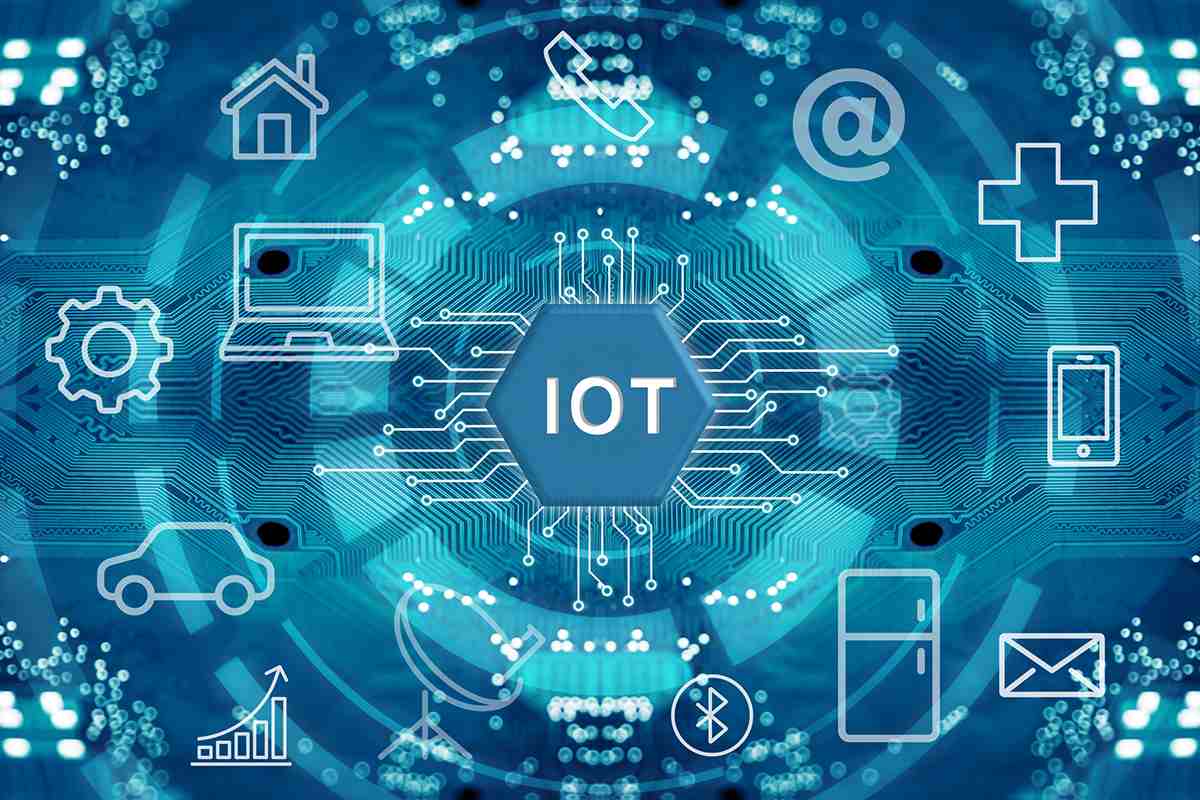
The Internet of Things (IoT) has become one of the most transformative technologies of the digital era. It enables everyday physical devices to connect to the internet, communicate with each other, and exchange data without requiring direct human interaction. From smart homes and connected vehicles to industrial automation and healthcare monitoring systems, IoT is changing how people interact with technology and how businesses operate.
But many readers still ask a fundamental question: how IoT works.
In simple terms, IoT works by connecting physical devices that contain sensors, processors, and connectivity technologies to the internet. These devices collect data from their environment, transmit the information to cloud platforms or gateways, and use analytics to make intelligent decisions or automate actions.
This article provides a complete explanation of how IoT works, including its architecture, components, communication protocols, applications, costs, and future trends.
Table of Contents
What Is IoT?
The Internet of Things (IoT) refers to a network of physical devices embedded with sensors, software, and communication technologies that allow them to collect and exchange data over the internet.
These devices can include:
- Smart home appliances
- Wearable fitness trackers
- Connected vehicles
- Industrial machines
- Healthcare monitoring equipment
- Smart city infrastructure
Each device in an IoT network gathers information from its surroundings and sends it to other systems where it can be processed and analyzed.
The main goal of IoT is to enable automation, monitoring, and intelligent decision-making based on real-time data.
Why IoT Is Important Today
IoT has become a critical part of digital transformation across many industries. Businesses are adopting IoT solutions to increase efficiency, reduce operational costs, and gain valuable insights from real-time data.
Key Benefits of IoT
- Real-time monitoring of devices and environments
- Automation of routine tasks
- Improved operational efficiency
- Reduced maintenance costs
- Enhanced data-driven decision making
- Better customer experiences
IoT technology is now widely used in industries such as manufacturing, healthcare, transportation, agriculture, logistics, and energy.
How IoT Works: Step-by-Step Process
Understanding how IoT works becomes easier when you examine the flow of data within an IoT system.
IoT Data Flow Process
- Sensors collect data from the physical environment.
- Devices process the data locally or send it to a gateway.
- Connectivity networks transmit the data to cloud systems.
- Cloud platforms store and analyze the information.
- Applications use the insights to trigger automated actions.
This entire process can occur within seconds and usually happens without human intervention.
Core Components of an IoT System
Every IoT ecosystem relies on several essential components that work together.
| Component | Function | Example |
| Sensors | Capture environmental data | Temperature, motion sensors |
| IoT Devices | Process sensor data | Smart thermostat |
| Connectivity | Transmits data between systems | Wi-Fi, Bluetooth |
| IoT Gateway | Aggregates and filters device data | Edge gateway |
| Cloud Platform | Stores and processes data | IoT cloud infrastructure |
| Application Interface | Allows users to control systems | Mobile apps |
These components collectively create a functional IoT ecosystem.
IoT Architecture Explained
IoT systems are usually structured in multiple layers to manage data flow efficiently. The most common architecture includes four main layers.
1. Device or Sensor Layer
The device layer is where data collection begins.
Sensors detect physical conditions such as:
- Temperature
- Pressure
- Motion
- Humidity
- Light
- Location
These sensors convert physical signals into digital data that can be processed by computing systems.
Examples include:
- Smart thermostats measuring room temperature
- Soil sensors monitoring moisture levels in agriculture
- Wearable devices tracking heart rate and physical activity
2. Connectivity Layer
The connectivity layer is responsible for transferring data from devices to gateways or cloud platforms.
Several communication technologies are used depending on distance, power consumption, and network requirements.
| Connectivity Technology | Range | Typical Use Case |
| Wi-Fi | Medium | Smart homes |
| Bluetooth | Short | Wearable devices |
| Zigbee | Short | Home automation |
| LoRaWAN | Long | Agriculture and rural networks |
| Cellular (4G/5G) | Long | Smart cities and vehicles |
| Ethernet | High speed | Industrial environments |
Choosing the right connectivity technology is important for maintaining reliable communication between IoT devices.
3. Edge Layer or IoT Gateway
An IoT gateway serves as an intermediary between devices and cloud infrastructure.
Gateways perform several important functions:
- Data aggregation from multiple devices
- Filtering unnecessary data
- Protocol translation between devices and networks
- Local processing and analytics
- Security authentication and encryption
Instead of sending raw sensor data directly to the cloud, gateways preprocess the information and reduce network traffic.
For example, a sensor collecting temperature data every second may send summarized hourly averages to the cloud instead of transmitting every single reading.
4. Cloud Layer
The cloud layer handles large-scale data storage and processing.
Cloud platforms allow IoT systems to manage thousands or even millions of connected devices.
Common cloud tasks include:
- Data storage
- Device management
- Data analytics
- Machine learning processing
- Dashboard visualization
- Application integration
Cloud infrastructure enables organizations to scale IoT systems without maintaining expensive on-premise hardware.
IoT Data Processing Pipeline
IoT systems typically follow a structured data pipeline to convert raw sensor data into meaningful insights.
| Stage | Description |
| Data Collection | Sensors gather environmental data |
| Data Transmission | Devices send data through networks |
| Data Processing | Gateways or edge systems filter data |
| Data Storage | Cloud platforms store large datasets |
| Data Analysis | AI and analytics tools analyze patterns |
| Action | Systems trigger automation or alerts |
This pipeline allows organizations to monitor systems in real time and respond quickly to changing conditions.
Example: How a Smart Home IoT System Works
A smart home provides a simple example of how IoT works in everyday life.
Smart Thermostat Example
- A temperature sensor measures the room temperature.
- The thermostat sends data to the home Wi-Fi network.
- The information is transmitted to a cloud platform.
- The cloud system compares the temperature with the user’s preferences.
- If necessary, the thermostat automatically adjusts the heating or cooling system.
Users can also control these settings remotely through a mobile application.
IoT Communication Protocols
IoT devices rely on lightweight communication protocols that enable efficient data exchange.
Common IoT Protocols
| Protocol | Purpose | Typical Usage |
| MQTT | Lightweight messaging protocol | Industrial IoT |
| CoAP | Web-based communication protocol | Smart devices |
| HTTP / HTTPS | Standard web communication | Cloud services |
| Zigbee | Low-power wireless network | Home automation |
| LoRaWAN | Long-range communication protocol | Agriculture |
MQTT is widely used because it supports reliable communication with minimal bandwidth.
IoT Device Cost Comparison
IoT device prices vary depending on the sensors, connectivity modules, and computing capabilities included in the device.
| Device Type | Average Price Range | Common Usage |
| Smart Plug | $10 – $30 | Home automation |
| Smart Thermostat | $80 – $250 | Energy management |
| Industrial Sensor | $100 – $500 | Manufacturing monitoring |
| GPS Asset Tracker | $40 – $200 | Logistics tracking |
| Smart Security Camera | $50 – $300 | Home surveillance |
Industrial-grade IoT equipment is generally more expensive because it requires higher durability and reliability.
IoT Market Distribution by Industry
The adoption of IoT technology varies across industries. The following chart represents a general distribution of IoT usage.
Sector Distribution
Industrial IoT – 35%
Smart Cities – 20%
Healthcare – 15%
Smart Homes – 15%
Agriculture – 10%
Other Industries – 5%
Industrial IoT currently represents the largest share because manufacturing companies rely heavily on automation and predictive maintenance.
Real-World Applications of IoT
1. Smart Homes
Smart home technology uses IoT to automate household systems.
Examples include:
- Smart lighting systems
- Smart door locks
- Smart thermostats
- Smart security cameras
- Voice-controlled assistants
These devices allow homeowners to monitor and control systems remotely.
2. Healthcare
Healthcare organizations use IoT to monitor patients and improve medical outcomes.
Examples include:
- Remote patient monitoring systems
- Wearable health trackers
- Smart medical devices
- Connected insulin pumps
IoT healthcare solutions help doctors track patient data in real time and respond quickly to medical issues.
3. Industrial IoT (IIoT)
Industrial IoT focuses on connecting machinery and manufacturing equipment.
Benefits include:
- Predictive maintenance
- Equipment performance monitoring
- Reduced operational downtime
- Increased production efficiency
Factories can use sensors to detect equipment issues before they cause system failures.
4. Smart Cities
Cities around the world are using IoT to improve infrastructure and services.
Applications include:
- Smart traffic management systems
- Intelligent street lighting
- Waste management sensors
- Environmental monitoring systems
These technologies help cities operate more efficiently while reducing costs.
5. Agriculture
IoT is transforming modern agriculture by enabling precision farming.
Examples include:
- Soil moisture monitoring sensors
- Automated irrigation systems
- Livestock tracking devices
- Weather monitoring stations
Farmers can use real-time data to optimize crop production and conserve resources.
Security Challenges in IoT
Despite its advantages, IoT also introduces new cybersecurity risks.
Common IoT Security Issues
- Unauthorized device access
- Data interception attacks
- Malware targeting IoT devices
- Weak authentication systems
- Insecure firmware updates
To mitigate these risks, organizations implement security measures such as encryption, device authentication, and network monitoring.
Key Challenges in IoT Implementation
Organizations adopting IoT solutions often face several technical and operational challenges.
Major Challenges
- Compatibility between different devices
- Managing large volumes of data
- Ensuring network reliability
- Addressing cybersecurity threats
- Maintaining power efficiency for remote devices
Overcoming these challenges requires careful system design and the use of reliable infrastructure.
Future Trends in IoT
IoT technology continues to evolve with advancements in artificial intelligence, connectivity, and edge computing.
Emerging IoT Trends
- Expansion of edge computing
- Growth of 5G-enabled IoT devices
- Integration of artificial intelligence with IoT systems
- Development of digital twins for predictive analytics
- Increased adoption in smart infrastructure projects
These innovations will allow IoT systems to process data faster, operate more efficiently, and deliver more advanced automation capabilities.
How Businesses Can Implement IoT
Organizations planning to deploy IoT solutions should follow a structured implementation strategy.
IoT Implementation Steps
- Identify business objectives
- Select appropriate sensors and devices
- Choose suitable connectivity technologies
- Implement cloud-based IoT platforms
- Deploy analytics and monitoring tools
- Ensure strong cybersecurity practices
A well-designed IoT system can deliver long-term operational improvements and competitive advantages.
Conclusion
Understanding how IoT works requires examining the complete ecosystem of connected devices, sensors, networks, gateways, cloud platforms, and applications.
IoT bridges the gap between the physical and digital worlds by allowing machines and systems to communicate with each other automatically. Sensors collect real-world data, gateways process and transmit the information, and cloud platforms analyze the data to generate insights and trigger automated responses.
As technologies such as artificial intelligence, edge computing, and 5G networks continue to evolve, IoT will become even more influential in shaping the future of industries, cities, and everyday life.
Organizations that invest in IoT today can benefit from improved automation, real-time insights, and smarter decision-making capabilities.